Since the beginning of March, tensions between the United States and the Middle East have continued to rise, leading to an exponential increase in gas prices in the United States.
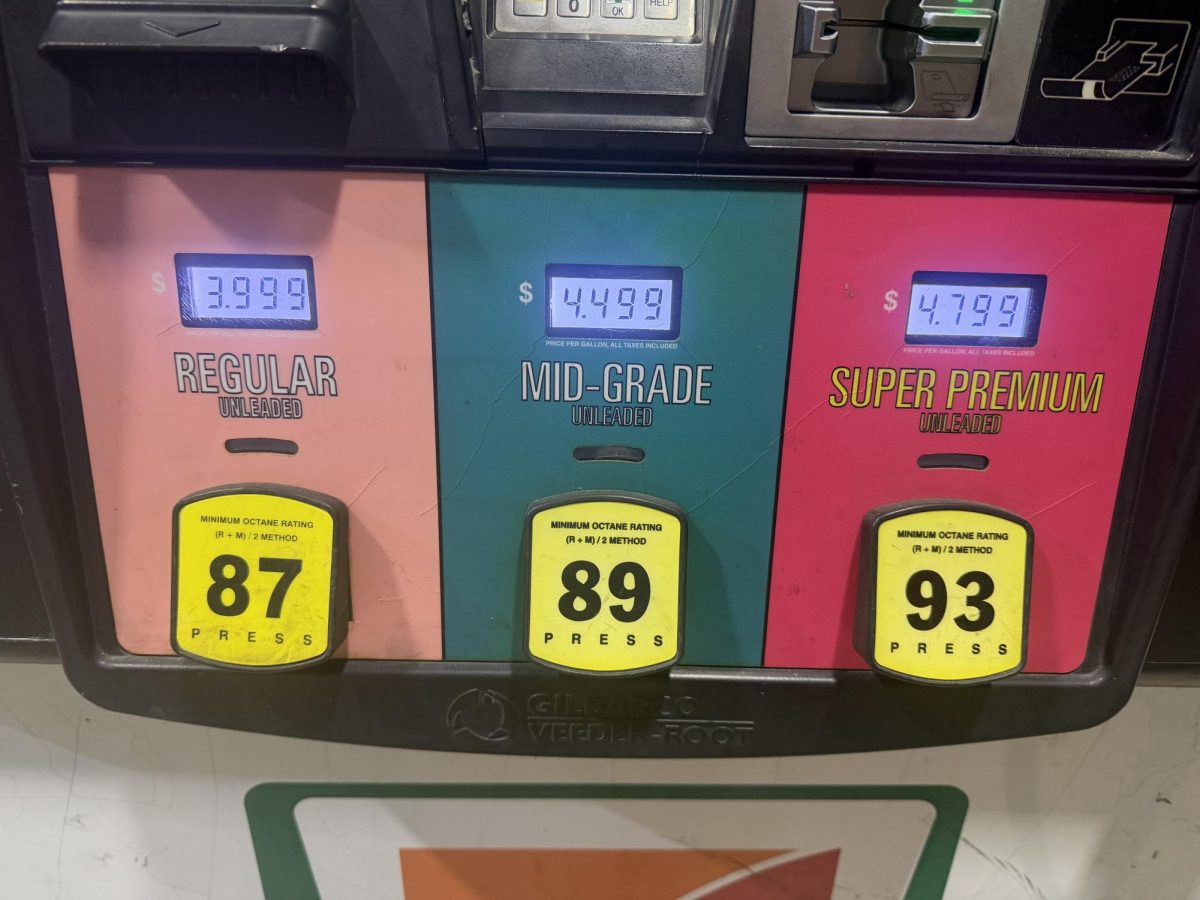
Every day, drivers of the United States dread filling up their gas tanks due to the rise in cost. As of today, average gas prices are as follows: Regular, $3.790 per gallon; Mid-grade, $4.299 per gallon; Premium, $4.664 per gallon; and Diesel, $5.044 per gallon. Over the past month, prices have increased drastically. Compared with last month, gas prices in the United States have increased by over 20%.
Due to rising tensions between the United States and Iran. The conflict has put pressure on the specific territories. Specifically, the Strait of Hormuz. Controlled by Iran, the Strait of Hormuz is a vital global trade route with it being one of its kind that it links the oil-rich Persian Gulf to the Gulf of Oman and the Arabian Sea. Globally, the Strait of Hormuz is responsible for 20% of global oil and liquefied natural gas, making it the most vital oil chokepoint within the global economy, relating to the rise in gas prices in the United States.
With each passing day, the public grows increasingly frustrated with the current cost of gas at their local station.
However, many overlook the struggles of tourist based economies. Those who are residents of popular tourist destinations often are required to pay higher prices for food, housing, and gasoline. As a result, higher gas prices place additional financial strain on residents who already face high prices on a daily basis.
Within the City of Marco Island, Florida, many adult and teen drivers voiced their opinions on the matter.
Amanda Fonseca, a student driver who attends Marco Island Academy, stated,“ Some people work way too hard to have to pay that much money for gas. Some people have to support themselves or their families, and if these prices continue to rise, it could potentially put people out of their homes.”
As the situation continues to evolve, it remains unclear when relief will come for the shakedowns at the local gas station. Citizens are hoping this will come to an end, as its impact on their everyday lives grows more significant. The rise in gas prices not only strains budgets but also threatens local economies. Now more than ever, it is vital for leaders and policymakers to engage in discussions that can bring this conflict to a resolution.