The Cat in the Hat movie has not been very well received. It got a 4.2/10 on IMDb and 10% on Rotten Tomatoes. Many called the Cat ugly, the jokes distasteful, and the plot too hyperactive and disorderly. I personally disagree, however, because I find it succeeds in other, overlooked departments. The film’s crude humor is exactly what gives it individuality and charm. Moreover, I’m going to rate this movie based on three main factors: the plot, the scenery, and the characters.
The plot of the movie follows a very simple premise. Joan Walden, the mother of Conrad and Sally Walden, is tasked with hosting a company party at her home. This is inconvenient for her, however, because her son, Conrad, is a very rowdy and mischievous child who is prone to making messes. She has no choice but to trust him, though, as she has to go back to work. While she is gone, the Cat in the Hat shows up to cheer up the children and keep them company. They get into some mischief, and eventually all learn a valuable lesson. The plot is very straightforward and keeps the viewer engaged, but it lacks individuality and falls behind when compared to the scenery and characters. For this reason, I’d give this portion a 7/10.
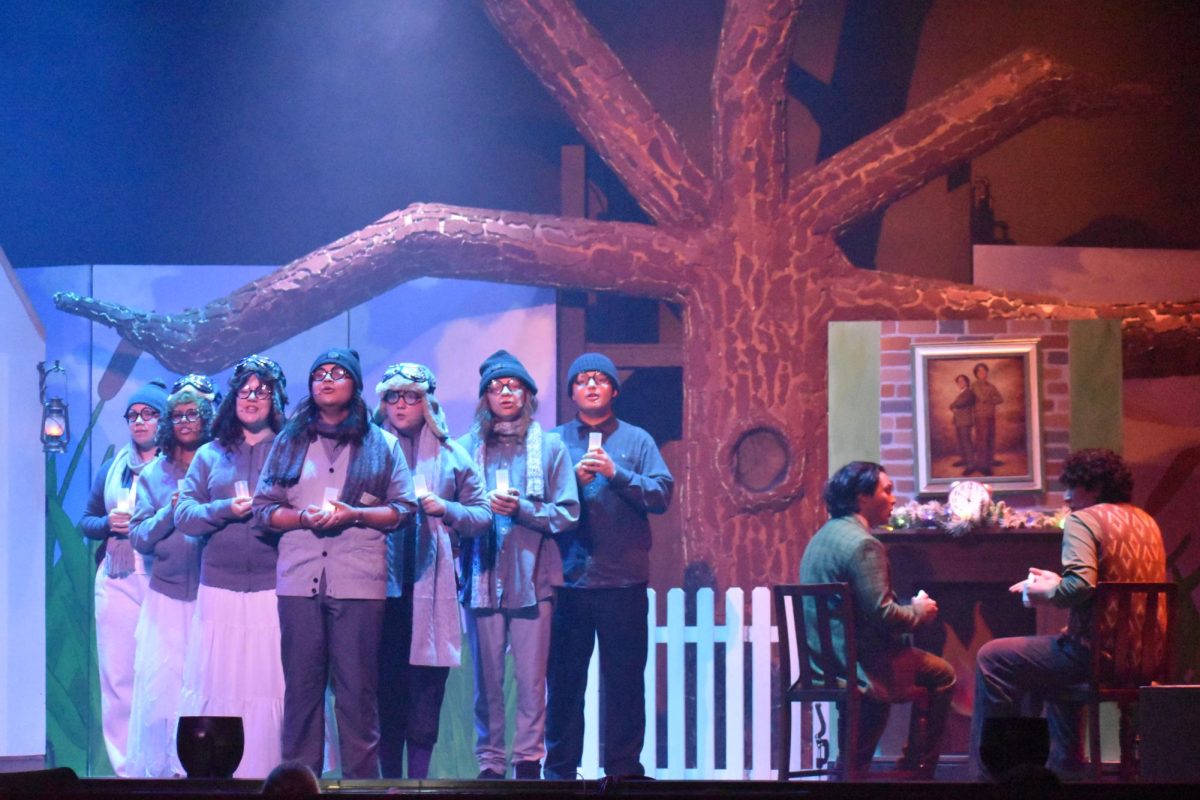
The scenery of the Cat in the Hat is bright and abstract, while also being a reflection of the characters’ inner states of mind. For example, the generic homes show the monotony of their daily lives, rainy scenes are stand-ins for their outward expression of disappointment, and the colorful offices are the adult world perceived through the eyes of a child. The scenery also changes along with the conflict. Throughout the movie, the house is progressively torn through and sullied by the Cat until finally destroyed at their lowest point. This is an amazing use of imagery and storytelling, which is why I give this portion an 8.5/10
While on the surface, a family film made for all ages, in reality, a story of child neglect, the constant need for perfection, and childish escapism. Beneath the illusion of the perfect family life, Joan Walden, the mother of both Sally and Conrad Walden, perfectly portrays, is a dysfunctional bunch. Conrad, a disorderly young boy, and Sally, a martinet and perfectionist. While common character tropes, both struggle with their own set of issues.
Taking a look at Conrad, in the first few minutes that we know Conrad, he’s already acting out by making a mess in the house. Due to this, his mother admonishes him but fails to see the undercurrents of his behaviour. You see, Conrad acts like this because of a common phenomenon in child psychology called attachment theory. Basically, the gist of attachment theory is that after inconsistent and negative affection, an individual can develop insecurities and a lack of self-confidence, leading to them testing boundaries in a desperate attempt for recognition. However, Conrad is not a brat, not a rascal, and certainly not a ‘problem child’. He is a vulnerable, young boy in a home where all parental figures are present physically but emotionally distant.
Next, there’s Sally. Driven by a greed to succeed, Sally is obsessed with being in control, even losing friends over her controlling nature. This is most likely due to Joan’s lack of emotional availability. It is possible to infer that Sally develops the false dichotomy that being “good” will result in her mother’s affections. Also, it seems that Sally feels pressured to adopt the same mannerisms and succeed just like her working mother. This is an unhealthy mindset for such a young girl, who should be socializing like most children, not worrying about not being good enough for her mother’s love.
Finally, the character after whom the movie is named: The Cat in the Hat. The Cat actually perfectly resembles that of a trickster entity like that seen in myth or folklore. He shows up in times of vulnerability, has supernatural powers, can bend reality, and revels in mischief. Apart from being such a strange character, he also has an impressive amount of thematic significance. The Cat represents Conrad’s desire for unregulated fun, and to Sally is a danger to the well-managed life she’s always known. At the end of the movie, however, the Cat can teach both kids a valuable lesson. Conrad learns that rebellion comes with consequences, and Sally learns that the value of fun is just as important as discipline.
Due to the depth and thematic importance of the characters, I’d give this portion a 10/10.
The plot and scenery are fine, but it’s really the characters that I think warrant this movie such a high score. While abstract, the movie shows a very real side of life: discontent isn’t always loud. This movie teaches us to look beneath the surface and look at what really matters. For that, I’m going to give this movie a final rating of 8.5/10.