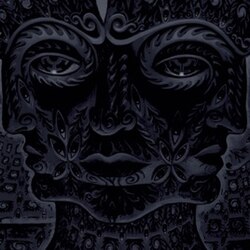
Some albums are meant to entertain, while others are meant to inflict emotion. Released in 2006 by the progressive metal band TOOL, 10,000 Days falls into another category, blending heavy instrumentation with incredible lore that demands a ton of attention rather than just listening to study. Shaped by grief, frustration, and faith. This album is one of the 5 complex projects produced by TOOL.
Vicarious – (8.5/10)
This song explores humanity’s morbid fascination with tragedy, focusing on how people experience suffering indirectly through others. The song opens with a smooth yet unsettling guitar and bass harmony that contrasts with its dark message. Lyrics like “Eye on the TV, “cause tragedy thrills me,” and “Vicariously, I live while the whole world dies” highlight society’s obsession with watching destruction from a safe distance, while also calling out the listener’s hypocrisy.
Jambi – (9/10)
This song carries a heavy, commanding tone that focuses on power, devotion, and dependence. Its grinding riffs at the beginning, and its repetition, reinforce themes of obsession and entitlement rather than gratitude. The track’s intensity helps deepen 10,000 Days’ exploration of belief and authority while maintaining the album’s aggressive energy.
Wings for Marie – (10/10)
A quiet, emotionally heavy track that serves as a tribute to Maynard James Keenan’s (lead singer) mother. The song is restrained and reflective, focusing on faith, suffering, and perseverance rather than aggression. Its slow pace and minimal instrumentation set the emotional foundation for what follows as it transitions into the next track.
10,000 Days – (10/10)
Continuing the tribute, “10,000 Days” expands on themes of devotion, loss, and belief. The song gradually builds in intensity, blending sorrow with admiration, and stands as one of the album’s most personal moments. It contrasts sharply with the album’s heavier tracks, such as “Jambi” or “Rosetta Stoned,” showcasing Tool’s emotional depth.
The Pot – (10/10)
One of the band’s most recognizable tracks, “The Pot,” takes a crazy approach toward hypocrisy and moral superiority. Its heavy bassline and sharp vocal delivery give the song a sarcastic and almost mocking tone. The track’s energy makes it both groovy and impactful.
Lipan Conjuring – (1/10)
This short interlude leans heavily into atmosphere rather than structure. Drawing from ritualistic and spiritual influences, it acts as a transition piece that prepares the listener for the chaos and intensity of the following tracks. It is also known to be the worst and most unnecessary song on the album
Lost Keys (Blame Hofmann) – (9/10)
Functioning as a narrative setup, this track features spoken dialogue that introduces the storyline, which leads directly into “Rosetta Stoned,” making it an important connective moment on the album rather than a standalone song.
Rosetta Stoned – (7.5/10)
One of the album’s most chaotic and complex tracks, “Rosetta Stoned,” tells a story of paranoia, revelation, and madness. The frantic pacing and dense instrumentation mirror the narrator’s unraveling mental state, making it both overwhelming and comedic. It stands out as one of the most ambitious songs on the record.
Intention – (8/10)
Slowing the album down, “Intension” focuses on restraint and atmosphere. Its subtle electronic elements and calm delivery create a reflective mood, offering a moment of breathing room after the intensity of earlier tracks.
Right in Two – (7/10)
This track explores humanity’s tendency toward conflict and division. With a steady build and a powerful climax, the song critiques the violence and power struggles humanity has endured while maintaining a thoughtful tone.
Virginti Tres – (2/10)
Closing the album, this brief instrumental track is dark, unsettling, and boring. Rather than offering resolution, it leaves the listener with an uneasy feeling, reinforcing the album’s themes of uncertainty and reflection.